
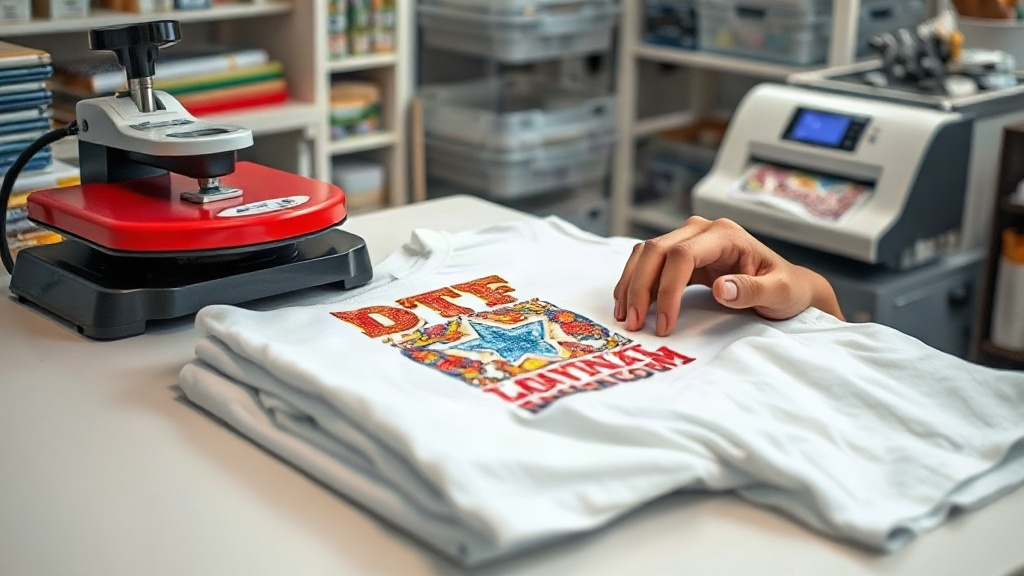
If you've been exploring custom apparel printing, you've likely encountered DTF Transfers. This innovative technology is rapidly gaining popularity among crafters and professionals alike, offering a versatile and cost-effective way to create vibrant, full-color designs on a wide range of fabrics. Unlike traditional methods, DTF transfers don't require weeding or special pretreatment of the garment, making them accessible even for beginners. In this guide, we'll walk you through everything you need to know to get started with DTF transfers and achieve professional-looking results.
What Are DTF Transfers?
DTF stands for Direct to Film. It's a printing process where your design is printed onto a special film using a DTF printer with pigment-based inks, typically CMYK plus white. The printed film is then coated with a hot-melt adhesive powder, which is cured to create a transferable layer. When you're ready to apply the design, you simply heat press the film onto your fabric, peel away the film, and the design remains bonded to the garment. DTF transfers are known for their vivid colors, fine detail reproduction, and durability. They work on cotton, polyester, blends, and even some treated nylon fabrics, making them incredibly versatile.
Why Choose DTF Transfers?
There are several reasons why DTF transfers have become a go-to solution for custom printing. First, they eliminate the need for weeding, which is a time-consuming step in vinyl printing. Second, DTF transfers don't require pretreatment, unlike DTG printing, which saves time and equipment costs. Third, they can produce full-color images with gradients and fine details that are difficult to achieve with other methods. Finally, DTF transfers are durable and stretchable, making them suitable for activewear and items that need to withstand frequent washing.
How to Apply DTF Transfers
Applying DTF transfers is straightforward, but following the correct steps ensures a long-lasting result. Here's a step-by-step guide:
- Prepare your heat press: Set the temperature to around 300-325°F (150-160°C) and preheat your garment for a few seconds to remove moisture.
- Position the transfer: Place the DTF transfer film onto the garment with the printed side facing up. If your design has a white layer, it should be against the fabric.
- Press: Apply medium to firm pressure for 10-15 seconds. Use a Teflon sheet or parchment paper over the transfer to protect it.
- Peel: Allow the transfer to cool completely (cold peel) or peel while hot (hot peel), depending on the film type. Most DTF transfers are cold peel, but always check the instructions.
- Post-press: For added durability, you can press the design again for a few seconds with a Teflon sheet to smooth the finish.
Common Mistakes to Avoid
Even though DTF transfers are forgiving, some common pitfalls can affect the outcome. Avoid these mistakes to ensure success:
- Insufficient pressure: If the pressure is too low, the transfer may not adhere properly, leading to peeling. Adjust your heat press to medium-firm pressure.
- Wrong temperature: Too low and the adhesive won't activate; too high and the film may scorch or the design may distort. Always follow the recommended settings.
- Peeling too early or too late: Peeling at the wrong temperature can cause the design to crack or leave residue. Stick to the recommended peel method.
- Not pre-pressing: Moisture in the fabric can create steam and prevent proper adhesion. Always pre-press for 5-10 seconds.
Choosing the Right DTF Transfer Supplies
Not all DTF transfers are created equal. The quality of the film, ink, and powder can significantly impact the final result. Look for transfers from reputable suppliers that use high-quality materials. If you're printing your own, invest in a good DTF printer, reliable inks, and quality film. The adhesive powder should be evenly applied and properly cured to ensure a strong bond. Additionally, consider the fabric you're printing on: while DTF works on many materials, some fabrics like certain nylons may require a special low-temperature transfer or a bonding agent.
DTF Transfers vs. Other Printing Methods
How do DTF transfers stack up against other popular printing techniques? Here's a quick comparison:
- DTF vs. DTG: DTG requires pretreatment and works best on 100% cotton. DTF works on more fabrics and doesn't need pretreatment, but may have a slightly thicker feel.
- DTF vs. Vinyl: Vinyl requires weeding and layering for multi-color designs. DTF can print full-color images in one go.
- DTF vs. Screen Printing: Screen printing is cost-effective for large orders but has setup costs per color. DTF is ideal for small batches and complex designs.
Frequently Asked Questions
Can I use DTF transfers on dark fabrics?
Yes, DTF transfers include a white ink layer that makes them opaque, so they show up vividly on both light and dark fabrics. The white layer acts as a base, ensuring the colors remain bright.
How durable are DTF transfers?
When applied correctly, DTF transfers are very durable. They can withstand multiple washes without fading or cracking. For best results, wash the garment inside out in cold water and tumble dry on low.
Do I need a special printer for DTF transfers?
Yes, DTF printing requires a dedicated DTF printer that uses pigment inks and can print white ink. However, you can also purchase pre-printed DTF transfers from suppliers, which only requires a heat press to apply.
What fabrics work best with DTF transfers?
DTF transfers work well on cotton, polyester, cotton-poly blends, and treated nylon. They are not recommended for fabrics with a high spandex content or those with a waterproof coating, as adhesion may be compromised.
How do I store unused DTF transfers?
Store unused DTF transfers in a cool, dry place, away from direct sunlight. Keep them in a sealed bag to prevent dust and moisture from affecting the adhesive. Properly stored transfers can last for several months.
With their versatility, ease of use, and stunning results, DTF Transfers are a fantastic addition to any custom apparel business or hobbyist's toolkit. Whether you're printing t-shirts, tote bags, or promotional items, DTF transfers offer a reliable way to bring your designs to life. So why not give them a try? With a little practice, you'll be creating professional-quality prints in no time.