
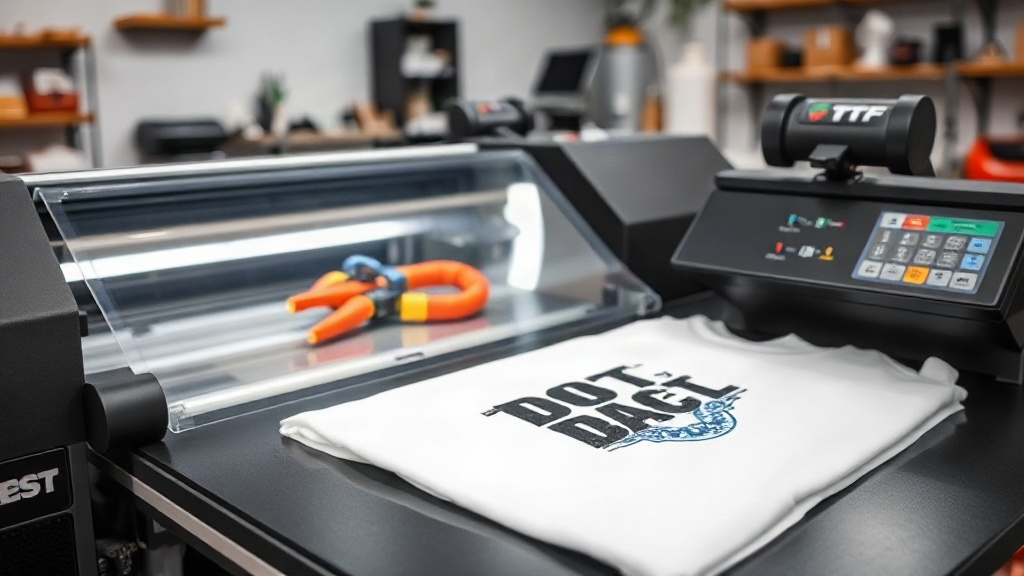
If you've been exploring custom apparel printing, you've likely encountered the term DTF. Short for Direct to Film, this technology has rapidly gained popularity among printers and hobbyists alike. Unlike traditional methods that require specialized equipment or extensive setup, DTF offers a versatile and cost-effective way to transfer vibrant designs onto various fabrics. In this guide, we'll dive deep into what DTF printing is, how it works, and why it might be the perfect solution for your next project.
What is DTF Printing?
DTF printing, or Direct to Film, is a digital printing technique where your design is printed onto a special film, coated with a powder adhesive, and then heat-pressed onto the fabric. This process allows for full-color, high-detail prints on a wide range of materials, including cotton, polyester, blends, and even some non-fabric items like leather or canvas. The key advantage is that it doesn't require the fabric to be pre-treated, making it more accessible than DTG (Direct to Garment) printing.
How Does DTF Printing Work?
The DTF process can be broken down into a few straightforward steps:
- Design Preparation: Your artwork is prepared in a graphics program, ensuring it's mirrored (if necessary) and sized appropriately.
- Printing: A specialized DTF printer prints the design onto a PET film using water-based inks. The printer lays down a white ink layer first (if needed), followed by the color layers.
- Powder Application: While the ink is still wet, a hot-melt adhesive powder is applied evenly over the printed area. Excess powder is shaken off.
- Curing: The film with the powder is then heated to melt the adhesive, creating a dry, ready-to-transfer sheet.
- Heat Pressing: The film is placed onto the fabric and heat-pressed at a specific temperature and time. Once cooled, the film is peeled away, leaving the design bonded to the fabric.
Benefits of DTF Printing
Why choose DTF over other methods? Here are some compelling reasons:
- Versatility: Works on almost any fabric, including cotton, polyester, nylon, and blends, without the need for pre-treatment.
- Durability: The prints are stretchable and resistant to cracking, peeling, and fading, even after multiple washes.
- Cost-Effective: No minimum order quantities, and the materials are relatively inexpensive compared to other printing methods.
- High Detail: Capable of reproducing intricate designs with fine lines and gradients.
- Speed: Once the film is prepared, transferring to garments is quick, making it ideal for small batches or on-demand production.
DTF vs. Other Printing Methods
Let's compare DTF to some common alternatives:
DTF vs. DTG
DTG (Direct to Garment) prints directly onto the fabric, often requiring pre-treatment for cotton. DTF doesn't need pre-treatment and works on more fabrics. DTG can be softer to the touch, but DTF offers better durability and stretchability.
DTF vs. Screen Printing
Screen printing is cost-effective for large orders but requires setup and is limited in color complexity. DTF excels in small batches and full-color designs without setup fees.
DTF vs. Vinyl
Heat transfer vinyl (HTV) is great for simple, single-color designs but can't handle complex images. DTF handles full-color graphics with ease.
Applications of DTF Printing
DTF is used in various industries and personal projects:
- Custom t-shirts, hoodies, and sportswear
- Promotional items like tote bags and caps
- Denim jackets and jeans
- Home decor (pillows, canvas)
- Small business merchandise
Getting Started with DTF Printing
If you're considering adding DTF to your workflow, here's what you'll need:
- DTF Printer: A dedicated printer that uses DTF inks. Epson conversions are popular.
- DTF Inks: Water-based pigment inks designed for DTF.
- PET Film: Special film that holds the printed design.
- Adhesive Powder: Hot-melt powder for bonding.
- Heat Press: For transferring the design onto fabric.
- Curing Oven or Heat Gun: To melt the powder.
Start with a quality printer and supplies to ensure consistent results. Practice on scrap fabric to dial in your heat press settings.
Tips for Successful DTF Printing
- Always mirror your design before printing.
- Use a lint roller on fabric before pressing to remove debris.
- Adjust heat press temperature and pressure according to your fabric and film instructions.
- Allow the transfer to cool completely before peeling (cold peel) for best results.
- Store unused film in a dry, cool place to prevent moisture absorption.
Frequently Asked Questions
What fabrics can I use with DTF printing?
DTF works on a wide range of fabrics, including cotton, polyester, blends, nylon, and even leather. It's one of the most versatile printing methods available.
How durable is a DTF print?
When applied correctly, DTF prints are highly durable. They resist cracking, peeling, and fading, and can withstand repeated washing. For best longevity, wash garments inside out in cold water and avoid harsh detergents.
Do I need to pre-treat fabric for DTF?
No, one of the biggest advantages of DTF is that it doesn't require pre-treatment. The adhesive powder bonds the ink to the fabric during heat pressing.
Can I use DTF on dark garments?
Absolutely. DTF printing uses a white ink layer under the colors, so it works perfectly on both light and dark fabrics.
What is the cost of starting DTF printing?
Initial costs include a printer (which can range from a few hundred to several thousand dollars), inks, film, powder, and a heat press. However, the per-print cost is low, making it economical for small businesses.