If you've been exploring custom apparel printing, you've likely come across dtf transfers as a rising star in the industry. Unlike traditional methods that require specialized equipment or minimum orders, DTF (Direct to Film) transfers offer a versatile and accessible way to bring your designs to life on fabric. Whether you're a small business owner, a hobbyist, or someone looking to create personalized gifts, understanding DTF transfers can open up a world of possibilities.
What Are DTF Transfers?
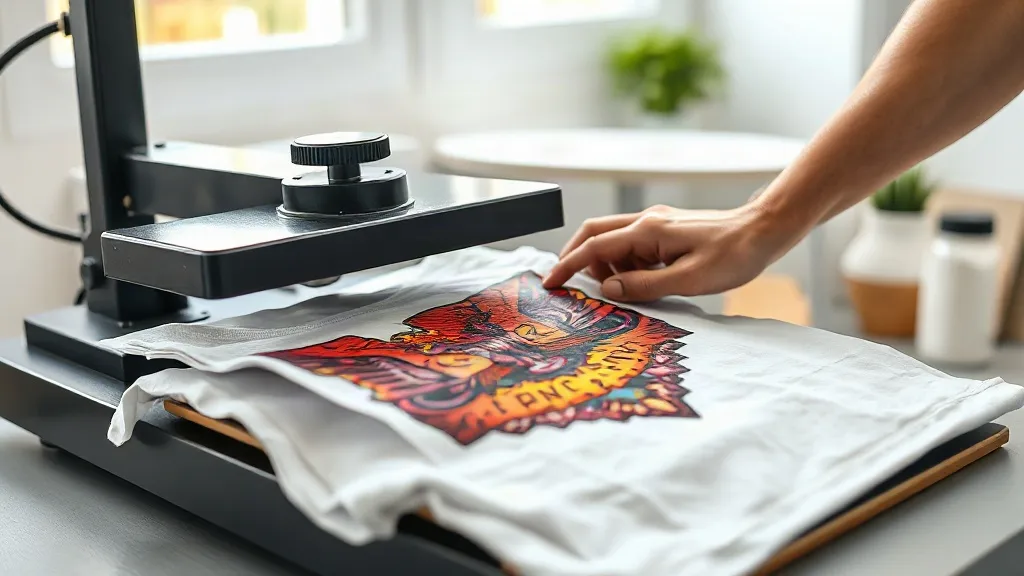
DTF transfers are printed designs on a special film that can be heat-pressed onto various fabrics. The process involves printing your artwork onto a PET film using specialized dtf inks, then applying a powder adhesive while the ink is still wet. Once the powder melts, the design is ready to be transferred onto a garment using a heat press. This method eliminates the need for weeding or cutting, making it faster and more efficient than vinyl or screen printing for small to medium runs.
The DTF Printing Process Step by Step
Here's a quick breakdown of how DTF transfers are made:
- Design Preparation: Your artwork is prepared digitally, ensuring it's mirrored and sized correctly.
- Printing: The design is printed onto a DTF film using a printer equipped with DTF inks (usually CMYK plus white).
- Powdering: While the ink is still wet, a hot-melt adhesive powder is applied evenly over the design.
- Curing: The film is then heated to melt the powder, creating a durable, flexible layer.
- Pressing: Finally, the transfer is placed on the fabric and pressed with a heat press to bond the design permanently.
This streamlined process allows for intricate designs with fine details and vibrant colors, all without the hassle of weeding.
Why Choose DTF Transfers?
DTF transfers have gained popularity for several compelling reasons. Let's explore the key benefits that make them a preferred choice for many.
Versatility Across Fabrics
One of the biggest advantages of DTF transfers is their ability to adhere to a wide range of materials. Unlike heat transfer vinyl (HTV) that works best on cotton, DTF transfers can be applied to cotton, polyester, blends, and even nylon. This means you can personalize everything from t-shirts and hoodies to tote bags and caps without worrying about fabric compatibility.
No Weeding Required
If you've ever spent hours weeding intricate vinyl designs, you'll appreciate that DTF transfers come pre-printed and ready to press. There's no need to remove excess material, saving you time and reducing the risk of errors. This makes DTF an excellent option for those new to heat pressing or for businesses looking to increase production speed.
Vibrant Colors and Fine Details
DTF printing uses high-quality inks that produce bright, saturated colors and crisp lines. Whether your design includes gradients, tiny text, or complex illustrations, DTF transfers capture every detail with precision. The white ink layer ensures that colors pop even on dark fabrics, eliminating the need for a separate white base.
Cost-Effective for Small Batches
Setting up screen printing for a small order can be expensive due to screen creation costs. DTF transfers, on the other hand, have low setup costs and are economical for short runs. You can order just a few transfers without breaking the bank, making them ideal for one-off projects or sampling.
How to Apply DTF Transfers
Applying DTF transfers is straightforward, but following the correct steps ensures a professional and long-lasting result. Here's what you need to know.
Equipment You'll Need
- A heat press (or an iron with consistent pressure, though a press is recommended)
- Parchment paper or a Teflon sheet
- The DTF transfer itself
- The garment
Step-by-Step Application
- Preheat the Press: Set your heat press to the recommended temperature (usually around 300°F to 325°F, but check your transfer's instructions).
- Prepress the Garment: Place the garment on the press and press for a few seconds to remove wrinkles and moisture.
- Position the Transfer: Place the DTF transfer on the garment with the printed side facing up.
- Press: Cover with parchment paper and press with medium to firm pressure for 10-15 seconds.
- Peel: Allow the transfer to cool completely before peeling off the film. Peeling while hot can cause the design to stretch or lift.
- Post-Press (Optional): For extra durability, you can press again for a few seconds with parchment paper.
Always follow the specific instructions provided with your transfers, as temperatures and times may vary slightly between manufacturers.
Common Mistakes to Avoid
Even though DTF transfers are forgiving, some pitfalls can affect the outcome. Here are a few to watch out for:
- Insufficient Pressure: Too little pressure prevents the adhesive from bonding properly, leading to peeling.
- Incorrect Temperature: Too hot can scorch the fabric or melt the film; too cold results in poor adhesion.
- Peeling Too Soon: Waiting for the transfer to cool ensures the adhesive sets correctly.
- Not Pre pressing: Moisture or wrinkles in the fabric can cause uneven transfers.
By avoiding these common errors, you'll achieve consistent, professional results every time.
DTF Transfers vs. Other Printing Methods
How does DTF stack up against other popular printing techniques? Let's compare.
DTF vs. Screen Printing
Screen printing is cost-effective for large orders but requires setup and is limited to certain fabrics. DTF is better for small batches and complex designs, with no color limitations.
DTF vs. Heat Transfer Vinyl (HTV)
HTV requires weeding and is mostly for cotton. DTF works on more fabrics and handles intricate designs without the tedious weeding process.
DTF vs. Direct-to-Garment (DTG)
DTG prints directly onto the fabric, which is great for cotton but can be slow and costly for small runs. DTF is faster and works on a wider range of materials.
Finding DTF Transfers Near You
If you're looking to try DTF transfers, you might search for dtf transfers near me to find local suppliers or printers. Local options can be convenient for quick turnaround, but online retailers often offer a broader selection and competitive pricing. When choosing a supplier, consider factors like print quality, turnaround time, and customer reviews. Many online services allow you to upload your design and receive ready-to-press transfers within days.
Frequently Asked Questions
What fabrics can I use with DTF transfers?
DTF transfers work on a wide range of fabrics, including cotton, polyester, blends, nylon, and even some treated leathers. They are not recommended for fabrics with heavy textures or coatings that prevent adhesion.
How long do DTF transfers last?
When applied correctly and cared for properly (washing inside out, avoiding high heat), DTF transfers can last as long as the garment itself, often 50+ washes.
Can I stretch DTF transfers?
Yes, DTF transfers have some stretchability, making them suitable for performance wear and stretchy fabrics. However, excessive stretching may cause cracking over time.
Do I need a special printer for DTF transfers?
Yes, DTF printing requires a printer with DTF ink capabilities and a powder shaker unit. However, you can purchase pre-printed transfers from suppliers without investing in equipment.
How should I store DTF transfers?
Store DTF transfers in a cool, dry place away from direct sunlight. Keep them flat to prevent creasing, and use them within six months for best results.
DTF transfers have revolutionized the custom apparel industry by making high-quality, full-color printing accessible to everyone. Whether you're a seasoned pro or just starting, incorporating DTF into your workflow can save time, reduce costs, and expand your creative options. Give it a try and see the difference for yourself.