
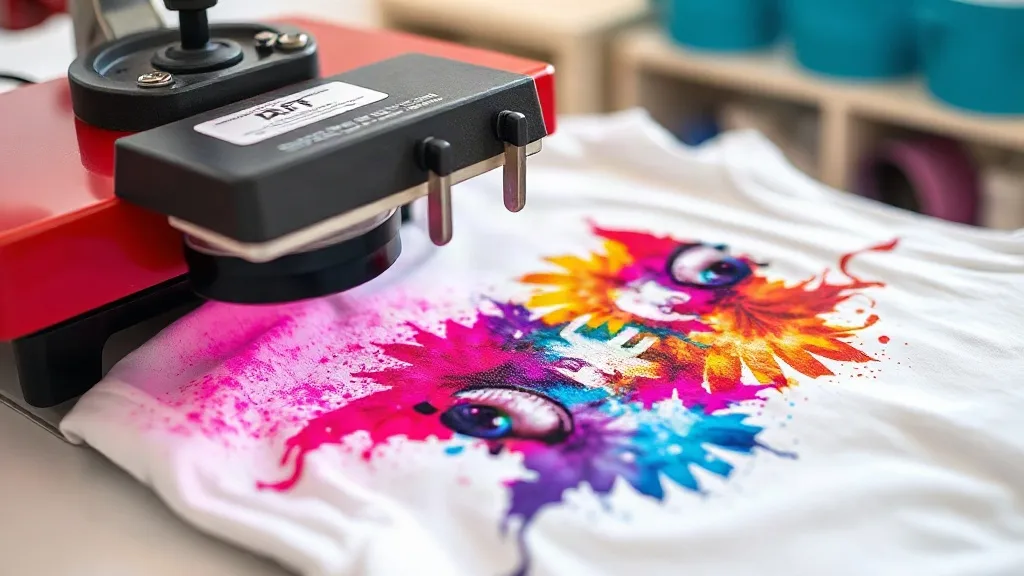
If you've been curious about dtf transfers but aren't sure where to start, you're in the right place. DTF, or direct-to-film, printing has exploded in popularity among crafters, small business owners, and hobbyists alike. It offers a versatile, cost-effective way to add vibrant designs to almost any fabric. Unlike other printing methods, DTF doesn't require specialized equipment or a huge investment. Whether you're making custom t-shirts for a family reunion or launching a clothing line, understanding the basics of dtf will set you up for success. In this guide, we'll walk you through what DTF transfers are, how to apply them, and how to avoid common pitfalls. By the end, you'll feel confident to try your first project.
What Are DTF Transfers?
DTF transfers are printed designs on a special film that can be heat-pressed onto fabrics. The process involves printing your artwork onto a PET film using specialized DTF inks, then applying a powder adhesive while the ink is still wet. Once the powder is melted, the transfer is ready to be pressed onto a garment. The result is a durable, stretchable print that bonds permanently to the fabric. DTF transfers work on a wide range of materials, including cotton, polyester, blends, and even some nylons. They're particularly popular because they don't require pre-treatment of the fabric, and the prints are soft and flexible. Plus, you can produce full-color designs with fine details without the setup costs of screen printing.
Why Choose DTF Transfers?
There are several reasons why DTF transfers have become a go-to method for many. First, they're incredibly versatile. You can apply them to light and dark fabrics alike, and the colors remain vibrant. Second, DTF is cost-effective for small to medium runs. Unlike screen printing, which requires separate screens for each color, DTF uses a single film per design, making it affordable for one-off items or small batches. Third, the application process is straightforward: with a heat press, you can achieve professional-looking results in minutes. Finally, DTF transfers are durable. When applied correctly, they withstand repeated washing without cracking or fading. For anyone looking to create custom apparel without a steep learning curve, DTF is an excellent choice.
How to Apply DTF Transfers: Step by Step
Applying DTF transfers is simple, but following the right steps ensures a long-lasting print. Here's what you need to do:
- Preheat your heat press to the recommended temperature (usually around 300°F to 325°F).
- Prepare your garment by pre-pressing it for a few seconds to remove moisture and wrinkles.
- Place the transfer on the garment with the printed side facing up.
- Press with medium pressure for 10-15 seconds.
- Peel the film while it's still hot (or cold, depending on the film type).
- Post-press the design with a cover sheet for another 5-10 seconds to ensure the adhesive fully sets.
Each transfer comes with specific instructions, so always check the recommended settings. With a bit of practice, you'll be able to apply transfers quickly and consistently.
Choosing the Right DTF Transfers
Not all DTF transfers are created equal. When sourcing transfers, consider the quality of the ink, the film, and the adhesive powder. High-quality transfers produce brighter colors and last longer. If you're looking for dtf transfers near me, you can find local suppliers or order online from reputable companies. Many online stores offer custom transfers where you can upload your own designs, or you can purchase pre-made designs. For those who want to produce their own transfers, you can buy DTF printers and supplies, but for beginners, purchasing ready-to-press transfers is more practical. Always request samples to test the quality before committing to a large order.
Common Mistakes to Avoid
Even though DTF is forgiving, some mistakes can ruin your print. Here are the most common ones:
- Pressing at the wrong temperature: Too hot and the film may melt; too cold and the adhesive won't activate.
- Insufficient pressure: Without enough pressure, the transfer won't bond properly.
- Peeling too soon or too late: Follow the instructions for hot vs. cold peel.
- Not pre-pressing the garment: Moisture can cause the transfer to fail.
- Using the wrong side of the film: Always place the printed side up.
By avoiding these pitfalls, you'll get consistent, professional results every time.
DTF Transfers for Different Fabrics
One of the biggest advantages of DTF is its compatibility with various fabrics. Cotton, polyester, and blends all work well. The key is to adjust your press settings based on the fabric's heat sensitivity. For example, polyester requires lower temperatures to prevent scorching, while cotton can handle higher heat. Always test on a scrap piece first. DTF also works on canvas, denim, and even some leathers, making it a versatile option for all sorts of projects.
Where to Find DTF Transfers
You can find DTF transfers through online retailers, local print shops, and craft stores. When searching for dtf transfers near me, check reviews and ask for samples. Many suppliers offer custom printing services, allowing you to upload your artwork and receive ready-to-press transfers. For those who want to dive deeper into DTF, you can explore resources like dtf printing guides and communities. Remember to factor in shipping costs and turnaround times when ordering online.
Frequently Asked Questions
What is the difference between DTF and DTG printing?
DTF (direct-to-film) involves printing on a film and transferring to fabric, while DTG (direct-to-garment) prints directly onto the garment. DTF works on more fabric types and doesn't require pre-treatment, but DTG can produce softer prints on cotton.
How long do DTF transfers last?
When applied correctly, DTF transfers can last as long as the garment itself, with proper care. Wash inside out in cold water and avoid harsh detergents to prolong the life of the print.
Can I use DTF transfers on dark colors?
Yes, DTF transfers work beautifully on dark fabrics because the white ink layer provides a bright base for the colors to pop.
Do I need a special printer for DTF?
To create your own DTF transfers, you need a DTF printer and specialized inks and powder. However, for beginners, purchasing pre-printed transfers is more cost-effective.
How do I store DTF transfers?
Store unused transfers in a cool, dry place, away from direct sunlight. Keep them flat to prevent curling.