
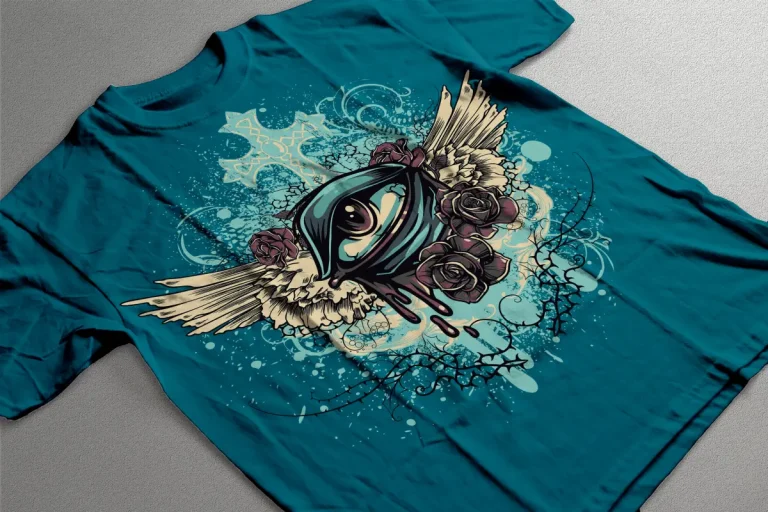
The custom garment decoration sector is moving at an incredible pace, forcing creators to constantly find a balance between vivid design clarity, operational speed, and long-term print durability. For independent clothing labels, athletic team outfitters, and commercial print shops aiming to deliver retail-quality merchandise, utilizing premium dtf transfers has emerged as the definitive solution to old manufacturing bottlenecks. This advanced digital printing methodology completely removes the high technical boundaries, intensive setup labor, and severe color limitations of traditional decoration techniques, allowing businesses to execute detailed graphics with absolute precision on almost any fabric substrate.
Deconstructing the Technical Architecture of Direct-to-Film Systems
To successfully integrate this modern workflow into an active commercial environment, it is highly beneficial to look closely at the multi-layered material science that makes DTF technology perform so consistently. Rather than applying liquid inks directly onto pretreated garment faces, this system constructs an independent, heat-stable print matrix on a specialized translucent film carrier, ensuring maximum control over color density and edge crispness.
The entire creation sequence relies on industrial digital printers configured with advanced piezoelectric printheads. These printheads deposit fluid, water-based color pigments onto a polyethylene terephthalate carrier sheet pre-coated with a microscopic chemical release agent. Instantly after the color pass, the machine prints a thick, uniform layer of titanium-dioxide white ink directly over the colorful graphics to establish an absolute opaque foundation. While this multi-layer design remains completely wet, a specialized thermoplastic polyurethane hot-melt adhesive powder is distributed evenly across the film surface.
The printed film then passes automatically through a calibrated thermal curing tunnel or heating oven. This crucial step melts the dry powder into a continuous, flexible adhesive layer that chemically bonds with the underlying ink. The resulting transfer remains fully stable, durable, and ready to use until reactivated by the thermal energy and uniform mechanical compression of a commercial heat press on your workshop floor.
Strategic Advantages Over Legacy Textile Printing Models
Transitioning your current production lines away from restrictive legacy printing models and moving into professional-grade film transfers provides instant, structural advantages for your overall material costs, shop velocity, and final product longevity.
- Universal Fabric Adaptation: Traditional direct-to-garment machines are bound almost exclusively to 100 percent natural cotton textiles. Thermal film transfers break these historical barriers down completely, bonding cleanly to organic cotton, heavy polyester fleece, rugged canvas bags, raw dark denim, and lightweight nylon activewear.
- Exceptional Stretch and Recovery: The advanced polymer chains present in premium hot-melt powders form an elastic, rubber-like membrane upon final curing. This allows the finished print to stretch and bounce back naturally with the fabric weave, eliminating the premature splitting, cracking, or edge lifting found in lower-tier media.
- No Messy Liquid Pretreatments: This method completely removes the need for acidic, spray-on chemical pretreatments that frequently leave stiff textures, shiny heat marks, or visible staining halos on deep black and navy blue garments.
- Strategic Supply Chain Management: Apparel brands can safely manufacture or purchase high-resolution transfer rolls in bulk ahead of time and store them indefinitely. You simply press the artwork onto blank inventory only when an end-customer order is officially locked in, protecting your available cash flow from dead warehouse stock.
Why Local Print Logistics Dictate Your Business Success
In a commercial marketplace governed by tight promotional event deadlines, seasonal retail drops, and sudden viral internet fashion trends, international logistics delays can completely paralyze an emerging brand. This reality is exactly why custom apparel professionals consistently search for dependable dtf transfers near me to build an agile, geographically close supply network that guarantees lightning-fast product delivery.
Sourcing your production components from a regional supplier slashes standard delivery windows from multiple weeks down to a matter of hours. It completely eliminates the persistent headaches of global customs gridlocks, unpredictable transit damage, and skyrocketing international air-freight fees. Working with a close-by printing facility enables effortless face-to-face material evaluations, immediate physical prototyping, and the operational nimbleness needed to fulfill massive, unexpected corporate apparel orders on short notice without added logistical stress.
Conquering the Demanding Texas Apparel Environment
The Texas custom merchandise market is famously robust, packed with high-energy school sports associations, expansive corporate uniform programs, and a rapidly expanding independent streetwear culture. Finding the absolute best dtf transfer at Houston requires looking far past cheap wholesale quotes and scrutinizing raw ink density, curing consistency, and professional machinery calibration standards.
The intense seasonal heat spikes and thick coastal humidity of the Southern region present a harsh trial for decorated garments. Low-grade transfers built with inferior base inks or coarse, cheap powders break down rapidly under environmental stress, becoming sticky, turning brittle, or peeling away completely after minimal use. High-end transfer films utilize ultra-refined polyurethanes that allow body heat and sweat moisture to escape naturally through the print, keeping custom shirts, corporate polo tops, and heavy hoodies looking sharp, bright, and pristine through endless industrial wash cycles. Working with Harwin DTF ensures your products easily withstand these grueling real-world conditions.
Scaling Your Output with Industrial Outsourcing Solutions
Purchasing and maintaining dedicated commercial printing hardware demands massive upfront capital investments, constant software color profiling, daily nozzle maintenance, and heavy-duty workspace air filtration systems. A growing number of scaling apparel operations bypass these operational overhead burdens completely by partnering with an expert Houston dtf transfer specialist to handle the complex technical printing and powder-curing phases.
By delegating film production to a fully optimized commercial laboratory, your core team frees up vital hours to focus entirely on creative graphic design, modern digital marketing, and client fulfillment. Ordering comprehensive gang sheets allows you to compile dozens of chest logos, sleeve prints, and neck tags onto a single continuous roll of film. This maximizes material efficiency and drives down individual unit costs to a tiny fraction of traditional screen setups, yielding a retail-ready product line that seamlessly matches global department store benchmarks.
The Professional Masterclass Guide for Flawless Pressing
While the industrial engineering required to manufacture high-density transfer film is incredibly complex, applying the finished product to your garments is remarkably easy if your production team maintains a disciplined, consistent workflow. Follow these production steps to secure retail-ready outcomes on every press cycle:
- Calibrate Thermal Equipment: Preheat your heavy-duty commercial heat press until it reaches a stable temperature between 300°F and 320°F (150°C to 160°C). Always verify the surface temperature across the upper platen using an external infrared thermometer to identify and avoid hidden cold spots.
- Execute the Moisture Purge: Place your blank garment flat onto the lower silicone pad and clamp the heat press down firmly for 4 to 5 seconds. This essential step flattens stubborn wrinkles and expels trapped ambient moisture from deep within the textile fibers, ensuring the hot-melt adhesive powder can bond smoothly.
- Align the Graphic Film: Position your custom transfer sheet carefully over the designated placement zone on the apparel, making sure the printed ink and white adhesive side rests directly against the face of the fabric.
- Run the Primary Heat Cycle: Clamp the press down completely with medium to firm pressure for a precise duration of 12 to 15 seconds, allowing the specialized backing powder to liquefy completely and flow deep into the fabric yarn structure.
- Perform the Film Separation: Allow the decorated garment to cool down completely to room temperature if utilizing a traditional cold-peel film, or smoothly peel the plastic carrier away in one steady, continuous motion if your project uses an advanced hot-peel alternative.
- Lock in the Finishing Seal: Lay a sheet of protective silicone paper or matte parchment paper directly over the newly exposed print and close the press for a final 5 seconds. This critical final compression removes any artificial plastic sheen, leaves a high-end matte finish, and locks the outer borders of the design into the garment for maximum wash longevity.
Frequently Asked Questions
Can digital film transfers be safely applied to sublimated polyester apparel?
Yes, premium transfers work beautifully across sublimated polyester garments. However, to prevent dye migration, where active chemical dyes in the polyester fabric bleed into the white backing ink under heat, you must utilize specialized transfer films containing a carbon-infused anti-migration layer. This extra barrier physically blocks the textile dyes from rising into your design during the heat press cycle.
What is the recommended way to store unused transfer films before application?
Unpressed transfer films should always be kept completely flat inside airtight, moisture-proof plastic storage bags to shield them from environmental humidity, airborne dust, and debris. Keep your storage containers inside a climate-controlled room away from direct sunlight. Under these optimal storage conditions, professional prints will retain their full adhesive strength and color depth for up to one calendar year.
Why do some transfers split or lift around the edges after the first few wash cycles?
Premature lifting or edge cracking is almost always caused by incorrect application parameters during production. This issue typically surfaces if the heat press failed to reach its target temperature, if the manual pressure setting was adjusted too low, or if the garment retained excessive moisture prior to pressing. Using a heavy commercial-grade heat press instead of a standard domestic home iron completely eliminates these operational failures.
How breathable are these digital film prints when covering large garment areas?
Because premium transfers utilize incredibly thin, highly flexible polyurethane films rather than the thick, rubbery plastisol inks common in old-school screen printing, they maintain remarkable flexibility. For massive, full-back graphic designs, breaking up the solid artwork with distressed halftones, fine textures, or negative space elements will greatly increase the overall breathability, comfort, and drape of the finished garment.
Driving Brand Longevity with Trusted Production Partners
In a marketplace where product quality directly defines corporate reputation, choosing the right production partner is the single most critical decision a business leader can make. Subpar raw materials inevitably yield brittle prints that fade quickly, cause costly customer returns, and hurt your brand value. Selecting Harwin DTF provides your company with uncompromised print clarity, immaculate color replication, and exceptionally durable material configurations built to survive the wear and tear of daily life. By blending your creative visual concepts with our dependable commercial infrastructure, you can confidently scale your business output, hit your delivery targets, and win a commanding position in the custom apparel marketplace.