
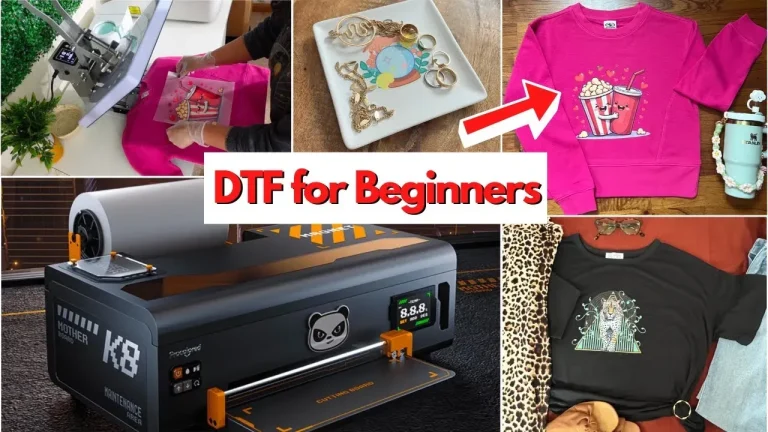
Best DTF printers for beginners can transform how you print vibrant designs on fabrics, offering user-friendly setups and reliable performance. To choose wisely, read DTF printer reviews and look for a beginner-friendly DTF printer that ships with clear setup guides. Budget-conscious shoppers will want a best budget DTF printer that doesn’t compromise on white ink quality or support. Understanding beginner DTF printer features helps separate fluff from real value, such as auto-cleaning, simple color management, and accessible spare parts. With the right choice, you can start small, test ideas quickly, and scale your projects as you gain confidence.
For newcomers to garment customization, entry-level DTF machines offer an approachable path into film-based transfers and vibrant prints. These beginner-friendly transfer printers typically emphasize intuitive software, straightforward maintenance, and accessible consumables. When evaluating options, many buyers weigh DTF vs DTG printers for beginners to understand what each method delivers in terms of texture, odor, and scalability. Prioritizing beginner-friendly features, reliable support, and a healthy ecosystem of inks and films helps ease the learning curve. LSI-friendly cues connect this topic to related guides on affordable DTF reviews, entry-level printer features, and starting a small home shop.
Best DTF printers for beginners: A practical starter guide
If you’re new to heat transfer printing, choosing a starting DTF printer can feel overwhelming. This guide distills the essentials and helps you identify models that balance price, reliability, ease of setup, and strong after-sales support. When you read DTF printer reviews, look for real-world performance on white ink systems, transfer film compatibility, and how forgiving the learning curve is for first-time users.
A beginner-friendly DTF printer should offer straightforward maintenance, intuitive software, and a reasonable path from setup to production. Seek models with guided setup videos, clear troubleshooting steps, and active user communities. Beyond the initial investment, consider consumables such as white and color inks, transfer films, and adhesive powders to keep your workflow smooth as you gain experience.
Key beginner-friendly DTF printer features to look for
Important features include a reliable multi-ink system with recirculating white ink, a simple yet effective user interface, auto-cleaning routines, and clear color management. For onboarding, printers with guided setup and helpful on-screen prompts can shorten the learning curve for beginners.
Also weigh print size and speed to ensure you can handle a range of projects without breaking the bank. A solid support ecosystem—manufacturer tutorials, accessible customer service, and readily available spare parts—often makes the difference between a smooth start and frustrating downtime. These beginner DTF printer features help differentiate entry-level machines from models that require advanced expertise.
DTF printer reviews: insights for beginners
DTF printer reviews frequently emphasize the consistency of the white ink layer, reliability of the ink system, and ease of alignment across different fabrics. For beginners, a printer with stable auto-clean cycles and predictable color profiles reduces the time needed to dial in each design.
When scanning DTF printer reviews, look for tests on common beginner fabrics and transfers, noting any frequent issues like head clogging or film incompatibilities. Real-world tests help translate technical specs into practical expectations, guiding your approach from practice prints to small-run orders.
Budget-first picks: the best budget DTF printer options for newcomers
If cost is your priority, the best budget DTF printer options should still deliver reliable white ink performance and solid print quality. A budget model may skip some premium features, but with proper maintenance and careful ink management, you can achieve respectable results for prototypes and small production runs.
To avoid unexpected costs, compare total ownership: initial price, ink usage, print-head maintenance, and film costs. This approach aligns with a budget-first strategy that emphasizes value and steadier throughput. DTF printer reviews from beginners often highlight affordable options that still maintain dependable performance.
DTF vs DTG printers for beginners: choosing the right path
For newcomers weighing DTF against DTG, understanding typical advantages and trade-offs can save months of trial and error. DTF generally offers lower per-print costs, broader fabric compatibility, and a smoother workflow for beginners when paired with a suitable heat press.
DTG printers can deliver exceptional color depth on light fabrics but often require higher upfront investment and more intricate maintenance. When evaluating, consider your expected run sizes, target fabrics, and available workspace. This contrast helps answer questions about DTF vs DTG printers for beginners and guides you toward a path that matches your goals and budget.
Getting started: setup, first print, and maintenance for new users
Begin with unboxing and inventory, then follow the manufacturer’s setup guide to install software, calibrate colors, and load inks correctly. Run initial test prints on different fabrics to evaluate white ink layering and color balance, which are critical to predictable beginner results.
Establish a maintenance routine early: schedule regular print-head cleaning, inspect films and consumables, and keep spare parts on hand. Document effective settings for various fabrics so you can reproduce quality consistently. With steady care, your beginner DTF printer becomes a reliable tool for growth and ongoing learning.
Frequently Asked Questions
What makes the ‘Best DTF printers for beginners’ stand out for new users?
Best DTF printers for beginners emphasize a balanced mix of price, reliability, and ease of setup. Look for beginner-friendly traits such as a recirculating white ink system, a straightforward software workflow, auto-clean or easy maintenance, and readily available consumables and spare parts. A strong option delivers consistent prints across fabric types without frequent downtime, helping you start a small operation with confidence.
What can you learn from DTF printer reviews when selecting a beginner-friendly DTF printer?
In DTF printer reviews, pay attention to how the model performs for beginners: setup simplicity, software usability, and how the white ink layer holds up. Reviewers often highlight predictable color profiles, intuitive calibration, and customer support quality—critical for a beginner-friendly DTF printer. Real-world tests on different fabrics help you gauge reliability before you buy.
Why consider the best budget DTF printer for beginners before investing more?
For beginners on a budget, the best budget DTF printer can offer essential capabilities—white ink, transfer film handling, and solid print quality—without breaking the bank. However, ensure affordable consumables and parts, a reasonable learning curve, and accessible warranty support. This approach supports learning and small-scale testing while keeping ongoing costs manageable.
How do you compare DTF vs DTG printers for beginners in terms of cost, complexity, and results?
DTF vs DTG printers for beginners: DTF generally provides lower upfront costs, simpler maintenance, and strong fabric versatility, making it popular for newcomers. DTG can require pretreatment, higher ongoing ink and maintenance, and a steeper learning curve. If you’re just starting, a DTF printer is usually the more beginner-friendly choice for learning and small runs.
What are the essential beginner DTF printer features to look for to ensure easy setup and reliable prints?
Essential beginner DTF printer features include auto-cleaning, reliable white ink circulation, simple color management, clear manuals and software guides, and strong after-sales support. Also look for a comfortable print bed size, consistent head alignment, and straightforward maintenance routines. These features help you achieve reliable first prints and reduce downtime.
What setup tips help beginners maximize success with a beginner-friendly DTF printer after reading DTF printer reviews?
Start by following the official setup guide exactly, calibrate color profiles, and run test prints on multiple fabrics to understand behavior. Pay attention to review-based tips on avoiding clogs, aligning designs, and maintaining ink flow. A beginner-friendly DTF printer with solid community resources and responsive support makes this process smoother and more predictable.
| Aspect | Key Points (HTML) | |
|---|---|---|
| Introduction |
DTF printers simplify vibrant designs on fabrics; beginners face a growing 2024–2025 market; this guide distills essentials and highlights beginner-friendly printers to help you save time and avoid frustration. }]},{ |
|
| Why consider DTF printers as a beginner? |
DTF offers versatility, forgiving ink systems, and ability to print on many fabrics without extensive pretreatment—an affordable entry into garment customization and small-scale production. |
|
| Key considerations for beginner buyers |
|
|
| 1) Understanding DTF Printers for Beginners |
|
|
| 2) Top Picks for Beginners in 2024–2025 |
|
|
| 3) What Reviewers Look For in DTF Printers for Beginners |
|
|
| 4) Practical Setup and First-Print Tips for Beginners |
|
|
| 5) Common Pitfalls and How to Avoid Them |
|
|
| 6) Getting to Know the Market in 2024–2025 |
|
|
| Overview |
Overview: this row summarizes the overall approach to selecting beginner DTF printers and growth considerations. |
Summary
Best DTF printers for beginners are entry-level machines that balance reliability, affordability, and user-friendly design to help you start small and grow a garment-printing business. This descriptive conclusion reviews key selection criteria, practical setup tips, and growth pathways, emphasizing dependable white ink performance, easy maintenance, strong support, and accessible consumables. By focusing on beginner-friendly features and a clear progression plan, you can confidently choose the Best DTF printers for beginners and build a scalable workflow for diverse fabrics and designs.