
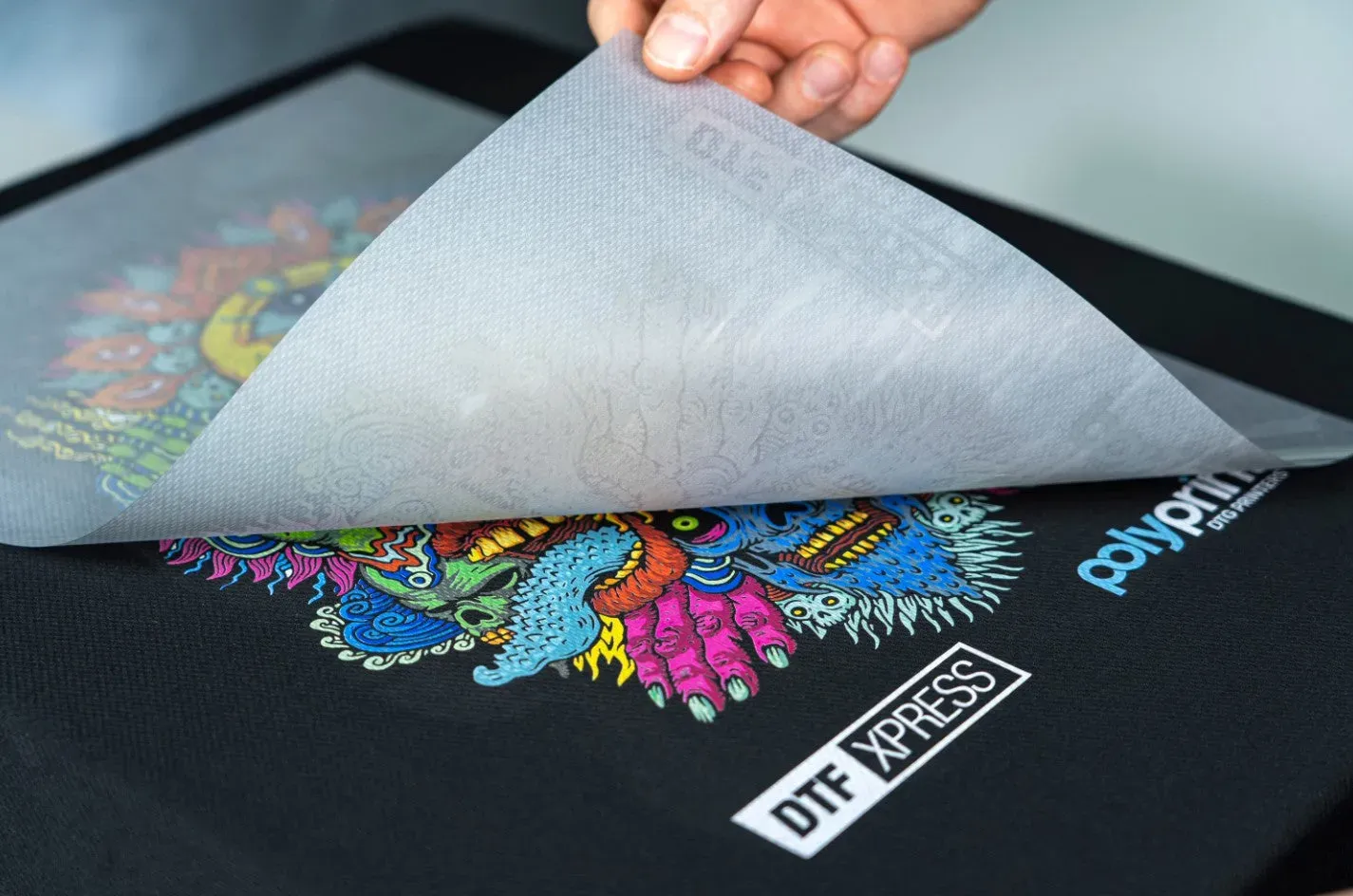
DTF color management on dark fabrics is a nuanced craft. When you print on black or navy textiles, colors that look vibrant on white substrates can shift, dull, or wash out after transfer, a phenomenon you’ll encounter in DTF printing on dark fabrics. A robust approach to color management for dark textiles helps manage how the white underbase interacts with pigments to preserve brightness and hand feel. Color calibration for DTF, coupled with fabric-specific ICC profiles and careful test swatches, keeps the workflow aligned from screen proof to final garment. In this primer, we’ll explore how to print on black shirts with DTF and how to avoid common DTF color issues on dark fabrics while maintaining color fidelity.
Outside of the strict steps, the topic also benefits from reframing as color control for night-colored textiles, where substrate hue guides ink layering. This LSI-friendly framing emphasizes pigment behavior, white underbase strategy, and calibrated workflows across different fabric families. By aligning proofing with actual garment tests and adopting fabric-specific ICC profiles, printers can achieve repeatable vibrancy on dark fabrics. In practice, talk of color fidelity, chroma stability, and ink density management maps to the same goals—robust calibration, proper curing, and batch-to-batch consistency.
Understanding color behavior on dark fabrics and its impact on DTF printing
Dark fabrics are more than simply dark pages for ink. The base color, weave, and fiber content of the fabric alter how each color reads once transferred, especially when a white underbase is involved. This means that even colors that look vibrant on light substrates can shift or appear dull on black or navy textiles, underscoring the need to predict how light reflects off the fabric after transfer.
To achieve accurate results, you must consider how color interactions evolve during layering. The white underbase acts as a brightness amplifier, but its thickness and uniformity directly influence vibrancy and opacity. Testing across different dark fabrics helps you understand how substrate behavior affects your final color perception, guiding calibration and workflow choices.
A Closed-Loop Workflow for DTF color management on dark fabrics
A disciplined workflow starts with clear color targets and ends with validated prints on the actual garment. Begin by calibrating your monitor and enabling soft proofing so what you see on screen mirrors what you expect in print, particularly for skin tones and saturated primaries. This sets the stage for reliable color decisions before you commit ink.
Next, tailor the white underbase settings to the fabric color, and use ICC profiles calibrated for your film, inks, printer, and dark substrate. Build or verify a fabric-specific ICC profile, then produce reliable test swatches using the same garment material and color as your planned run. Real fabric proofs, not just paper proofs, ensure the workflow stays aligned with how colors behave on dark textiles.
Optimizing the white underbase for vibrant results on black shirts
On black shirts, the white underbase is the foundation of color brightness. A robust, uniform underbase prevents colors from appearing washed out and helps ensure maximum opacity without sacrificing hand feel. In practice, you may need a slightly thicker underbase for very dark fabrics or highly saturated palettes, but you should validate opacity through swatches.
In tandem with a strong underbase, select color layers and densities that preserve fabric texture while delivering vivid hues. The goal is to strike a balance between color saturation and wash resistance, keeping in mind that some colors may require adjusted densities when printed on black backgrounds. Testing with real garments is essential to confirm that the final result aligns with design intent.
Color calibration for DTF: building fabric-specific ICC profiles
Color calibration for DTF is the cornerstone of repeatable results. Use color targets and, when available, a spectrophotometer to measure printed references on the actual fabric you’ll use, not on a different substrate. This approach helps you capture how the garment’s opacity, weave, and base color influence the printed color.
Develop and maintain a fabric-specific ICC profile that reflects your ink system, transfer film, and dark fabric. Recalibrate periodically to account for changes in ink lots, equipment wear, or humidity. Soft-proof with the updated profile before you print, so you can anticipate shifts and adjust proactively rather than after a run.
Common DTF color issues on dark fabrics and how to fix them
Even with a calibrated workflow, color issues can arise. Dull or muddy colors after transfer are common symptoms of insufficient saturation, an underbase that’s not fully covering the fabric, or suboptimal curing. Addressing these early helps prevent post-production reprints and customer dissatisfaction.
Other frequent problems include white underbase visibility through the color layers, color shifts between batches, and color bleed or ghosting on dark fabrics. Fixes often involve adjusting underbase opacity, validating film adhesion, improving curing, and re-validating ICC profiles with the current ink lot and fabric. Systematic testing across a small swatch run before full production helps catch these issues early.
Quality assurance: test, measure, and refine for consistent dark-fabric prints
A robust QA process reduces post-production surprises. Implement a test-and-measure routine using test swatches printed on the same fabric you’ll sell or ship. Measure the swatches against known color targets with a colorimeter or spectrophotometer whenever possible.
Then compare measurements to your digital proofs and ICC profiles, adjusting color curves, underbase settings, and curing parameters as needed. Once the swatches align with targets, scale up with periodic spot-checks to ensure consistency across batches and fabric families, sustaining color fidelity from run to run.
Frequently Asked Questions
What is DTF color management on dark fabrics, and why is it important for color accuracy on black or navy textiles?
DTF color management on dark fabrics treats the fabric’s base color and the white underbase as part of a calibrated system. Start with monitor soft-proofing, build fabric-specific ICC profiles, and validate color targets with real garments. The aim is consistent vibrancy across batches by balancing underbase, pigment colors, and substrate behavior. Regular testing helps account for variations in weave, fiber, and finishes.
DTF printing on dark fabrics: what is the recommended workflow to ensure color accuracy from proof to final print?
For DTF printing on dark fabrics, follow a closed-loop workflow: calibrate the monitor with soft proofing to set expectations, choose an appropriate white underbase and adjust its opacity, and use fabric-specific ICC profiles. Print reliable test swatches on the same material and validate color accuracy on real fabric proofs before a full run. This approach helps ensure consistent results across batches.
Color management for dark textiles: how does base fabric color affect the white underbase and top colors?
Color management for dark textiles recognizes that the base fabric color influences every hue printed, especially when using a white underbase. Build color targets and ICC profiles that account for opacity, weave, and pigment interaction, and verify with test prints on the actual garment. This mapping helps translate on-screen colors to accurate fabric results.
How to print on black shirts with DTF: what steps ensure vibrant colors on a dark background?
When printing on black shirts with DTF, start with a strong white underbase to create a bright foundation, and ensure the white layer is uniform. If previews show translucency, increase underbase density and re-test. Choose saturated hues that translate well on dark backgrounds and carefully tone skin tones using a calibrated palette to avoid color shifts.
Color calibration for DTF: what steps create repeatable colors across batches on dark fabrics?
Color calibration for DTF aims to close the gap between target and printed color. Use color targets and a spectrophotometer when available, build a fabric-specific ICC profile, perform regular recalibration, and soft-proof with the profile before printing. Validate on the actual garment to ensure consistency across runs.
Common DTF color issues on dark fabrics: what are the typical problems and fixes?
Common DTF color issues on dark fabrics include dull colors after transfer, white underbase showing through colors, color shifts between batches, and color bleed or ghosting. Fixes include strengthening the white underbase, ensuring even coverage, revalidating ICC profiles and ink lots, improving curing, and running fabric-specific test swatches before production.
| Key Area | Summary |
|---|---|
| Understanding the challenge | Dark fabrics absorb/reflect light differently; the base color influences every color printed. White underbase is critical, and uniformity matters for vibrancy. Color profiles and workflow must account for fabric base color and weave, not assume a one-size-fits-all solution. |
| White underbase | The white layer drives brightness on dark fabrics. Too little white yields desaturation; too much can cause opacity and stiffness. Thickness and evenness of the underbase directly affect top-color vibrancy. |
| Workflow fundamentals | Adopt a closed-loop workflow: set accurate color targets, calibrate devices, choose appropriate underbase settings, use fabric-specific ICC profiles, and test on the actual garment before running production. |
| Translating screen to fabric | Color on screen must map to fabric behavior. Balance underbase, pigments, and substrate characteristics to achieve predictable results on dark textiles. |
| Optimizing print settings | Key settings include robust white underbase strategy, correct layer order (white first, then colors), careful color balance and calibration, higher resolutions for smoother gradients, and thorough curing/wash testing. |
| Color calibration for DTF | Use color targets and spectrophotometers when possible, build fabric-specific ICC profiles, recalibrate regularly, and soft-proof with the actual profile before printing. |
| Working with black shirts | Prioritize a strong white underbase, choose colors that translate well on dark backgrounds, carefully test skin tones, adjust pigment density, and document optimum settings for repeatability. |
| Common color issues & fixes | Dull colors, white underbase showing, color shifts, or ghosting can occur. Fixes include adjusting underbase opacity, ensuring full coverage, validating ICC profiles with current ink lots, and improving curing. |
| Quality assurance | Print/measure swatches on the production fabric, compare to targets with colorimeters/spectrophotometers, refine ICC curves, and spot-check prints during larger runs. |
| Case studies | Real-world examples show tailoring workflows to fabric type—adjusting underbase opacity or color balance led to brighter navy tones or improved skin-tone accuracy on dark fabrics. |
Summary
Conclusion: The content highlights the importance of a deliberate, calibrated approach to DTF color management on dark fabrics, focusing on how the fabric base color, underbase behavior, and workflow choices shape final color accuracy and consistency across runs. The key takeaway is to treat each fabric family as its own color environment, validate every step from monitor to final press with real garment testing, and continuously refine using targeted calibration, reliable test swatches, and robust curing protocols to achieve vibrant, durable results on dark textiles.