
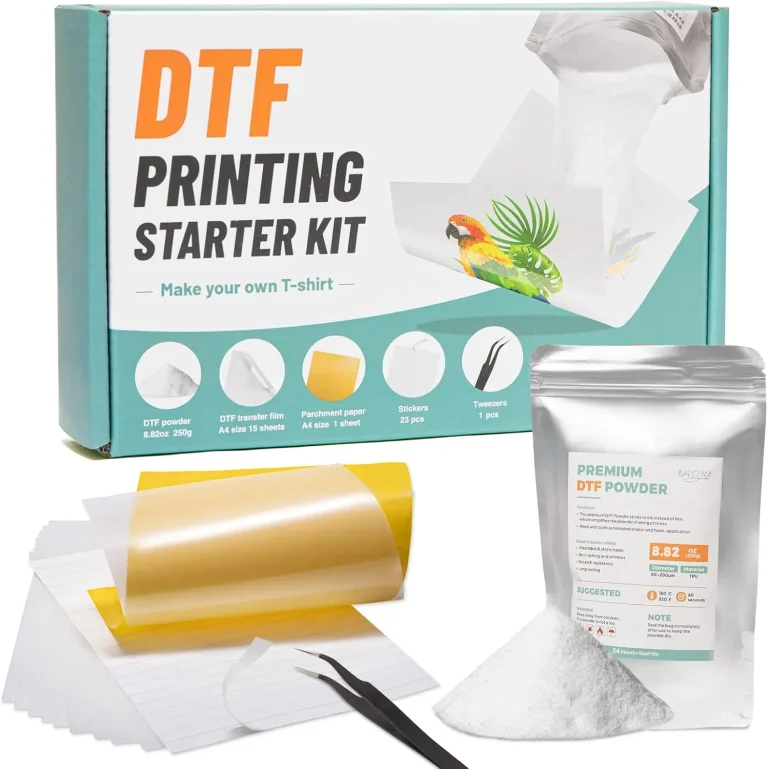
DTF films and adhesives are transforming garment decoration by delivering vibrant, durable designs with a comparatively straightforward workflow. Understanding how the system works, including the DTF transfer film that carries the print, helps you optimize setup and reduce variability. Selecting the right film quality and compatible adhesive options can reduce halos, improve edge definition, and boost wash durability. This overview also highlights how the transfer medium compares to other methods, so you can decide what fits your production needs. By testing a few material pairings and documenting results, you can choose reliable materials for your substrates and scale up with confidence.
In other words, this technology uses a clear carrier sheet and pigment inks that partner with a heat-activated adhesive to transfer a full-color image onto fabrics. Rather than traditional screen printing or vinyl transfers, the process offers vibrant reproduction and a flexible bond across cottons and blends. For those evaluating options, comparing DTF vs transfer printing helps set expectations for durability, cost, and workflow. As you weigh suppliers, prioritize a reliable film and adhesive system that deliver crisp detail and wash-fast finishes. This approach aligns with Latent Semantic Indexing principles by using related terms like print carrier, heat-activated glue, and full-color transfer to support search visibility and comprehension.
Understanding DTF transfer film: Core properties that influence clarity and release
In DTF workflows, the transfer film serves as the carrier that holds ink during transfer. The film’s clarity, edge definition, and how easily the printed image releases from the carrier depend on film quality, surface finish, and curl resistance. A high-quality DTF transfer film lays flat, resists curling during multi-color printing, and minimizes halos around fine lines. When selecting film, look for uniform coating, minimal static, and a surface that accepts pigment inks evenly, ensuring accurate color reproduction and sharp edges.
The film thickness and release layer influence ink laydown and color saturation. Thinner films can yield brighter whites but may curl more, while thicker films stabilize the print but may require adjustments to heat and pressure. In addition, the film’s release characteristics determine how cleanly the image separates from the carrier during heat transfer, reducing residue or scumming on the garment. These physical properties set the baseline for reliable transfers across substrates.
Evaluating and selecting DTF printing film quality for consistent results
When evaluating DTF printing film quality, begin with the coating consistency across the roll, looking for uniform pigment distribution and a smooth surface that accepts inks evenly. A film with low static helps maintain registration in multi-color designs. Check the film for pre-existing defects that could show up as halos or edge distortions after pressing. These indicators predict print fidelity before you invest in batches.
Practical testing should simulate production conditions: print on representative inks, then run through your heat press at standard settings. Assess color vibrancy, edge sharpness, release behavior, and any transfer-related artifacts. Track results across several substrates, noting where tighter alignment or slightly different film thickness improves results. A disciplined testing approach helps you select films that deliver consistent outcomes in real-world runs.
DTF adhesives types and selecting the right match for fabrics
DTF adhesives types are typically heat-activated powders that are dusted onto the wet print and melted during pressing to form the bond. Powder formulations vary in tack, melt temperature, and film compatibility, influencing how evenly the adhesive coats the print and how it bonds to fabric. Understanding the different adhesive types helps you tailor the bond strength to your substrate and design.
Adhesive performance depends on fabric type, color weight, and wash expectations. Cotton and cotton blends often respond well to standard hot-melt powders, while stretch fabrics may need flexible formulations. Testing with representative fabrics—both light and dark—helps reveal dye migration potential and edge stability. When you compare adhesives, request wash test data and color-fastness ratings to guide your choice toward reliable durability.
DTF vs transfer printing: comparing workflows, costs, and outcomes
DTF vs transfer printing offers a different workflow path, with DTF generally delivering a simpler print-to-garment route and full-color capability without color separation steps. This streamlined path can reduce handling and speed turnaround for small to mid-sized runs. The transfer film and adhesive system in DTF combine to create a durable bond that stays flexible on textiles, often matching or exceeding the look of traditional transfers when tuned properly.
In terms of costs and expectations, DTF requires investment in powders, films, and presses, but can offer lower per-unit costs for full-color designs on diverse fabrics. Color fidelity and edge detail are often strong with the right materials, though the learning curve and material costs should be weighed against screen printing or vinyl transfers for specific runs. Always test representative samples to determine which method best aligns with your business goals.
Choosing the best DTF adhesive for common fabrics and colors
The best DTF adhesive depends on fabric type, color weight, and wash durability. Start by selecting an adhesive powder that matches typical substrates—cotton, poly blends, or stretch fabrics—and test across a controlled range of heat and dwell settings. Document which combination yields the most consistent melt, the cleanest release, and the strongest bond after washing.
To optimize results, compare a few adhesives on several fabrics, noting differences in color lift, halos around edges, and edge crispness under pressure. Gather wash data and color-fastness results to identify the “best DTF adhesive” for your lineup. A structured test plan helps you scale your adhesive strategy as you expand to new fabrics or designs.
Practical tips for maximizing color vibrancy and wash durability with DTF films and adhesives
Practical success comes from pairing high-quality DTF films with well-matched adhesives and a disciplined press protocol. Start with a tested film-ink combination, checking for halos or dull whites that may indicate ink interaction with the film. If needed, adjust film thickness or release layer to improve clarity without changing the rest of the workflow.
After printing and pressing, allow cooling, avoid bending hard edges too soon, and document optimal temperatures, dwell times, and pressures for each fabric. Regularly run wash tests and maintain a log of results to refine your selection of DTF films and adhesives for different substrates. With consistent testing, you’ll see improved color vibrancy, edge sharpness, and durability across multiple wash cycles.
Frequently Asked Questions
What role do DTF films and adhesives play in achieving durable, vibrant prints, and how should you evaluate a DTF transfer film before production?
DTF transfer film serves as the carrier that preserves print clarity and edge definition, while the adhesive creates the bond to fabric. To evaluate film quality, check for a consistent coating, minimal curl, a flat lay, and predictable release at standard heat-press temperatures; look for a smooth surface that supports even ink laydown and sharp edges across colors. Consider film thickness and finish, since these influence color vibrancy and transfer reliability.
How does DTF printing film quality impact print clarity and color saturation in a DTF transfer film workflow?
DTF printing film quality directly influences ink deposition, edge sharpness, and color saturation. Key indicators include a uniform coating, smooth surface, low static, and reliable release during transfer; thinner films may yield brighter whites but be prone to curl, while thicker films can improve stability but require adjustments to heat and pressure settings. A high-quality film also minimizes halos around fine lines and maintains detail on textured fabrics.
What are DTF adhesives types and how should you choose the right one to maximize bond across fabrics in a DTF workflow?
DTF adhesives types include hot-melt adhesive powders and pre-coated/embedded formulations. Choose based on fabric type (cotton, blends, stretch), color weight, and wash expectations; run small tests across representative fabrics to measure bond strength and wash durability, then compare results. The best DTF adhesive is the one that provides reliable adhesion across your typical substrates at your standard press settings, with clean release and minimal edge lifting.
How does DTF compare to transfer printing (DTF vs transfer printing) in terms of color fidelity, edge detail, and workflow efficiency?
DTF vs transfer printing generally shows that DTF delivers better color fidelity and edge detail for detailed, full-color designs, with a simpler print-to-garment workflow that reduces handling. This can translate into faster turnarounds for small runs, but you should consider material costs, ink/adhesive interactions, and proper curing. Always validate with representative samples on your target fabrics.
What is the best DTF adhesive for cotton fabrics and other substrates, and how should you test wash durability to validate performance?
For cotton fabrics and cotton blends, standard hot-melt adhesive powders are commonly effective, though certain blends or stretch fabrics may require specialized formulations. Test multiple powders on your typical fabrics and record bond strength, wash durability, and any dye migration or edge lifting; select the adhesive that maintains performance across several wash cycles. Document press temperature, dwell time, and pressure to ensure repeatability.
What practical steps can you take to maximize reliability and consistency when working with DTF films and adhesives?
Practical steps: start with a tested DTF film and a well-matched adhesive; run controlled trials across your common fabrics; vary heat, pressure, and dwell time within recommended ranges; document results in a guideline sheet; track issues like color vibrancy and edge lift and adjust film and adhesive choices accordingly; maintain a material log to scale production reliably.
| Aspect | Key Points | Why It Matters |
|---|---|---|
| What are DTF films and adhesives? | DTF films are PET carrier sheets printed with pigment inks; a powder adhesive is applied; the film is heat-pressed to activate the adhesive and bond the image to the garment. | Protects the print during handling and provides a stable transfer path; enables a durable, flexible bond to fabric. |
| Film quality considerations | Release properties, curl resistance, edge definition, thickness/surface finish; ink laydown and color saturation | Directly affects image clarity, registration, color richness, and predictability of the transfer. |
| Adhesive considerations | Powder adhesives (or pre-coated films); activation temperature, melt behavior, bond strength; wash durability | Determines how well the design bonds to various fabrics and how it holds up to washing and wear. |
| Substrate compatibility and adhesive choice | Cotton and blends respond to standard hot-melt powders; stretch fabrics may need flexible formulations; test with wash results | Guides material selection and reduces issues like halos or dye migration across fabrics. |
| Workflow and transfer steps | Print on film, apply adhesive powder, cure the powder, press onto garment with heat and pressure | Creates a strong, flexible bond with a straightforward, repeatable process suitable for multiple fabrics. |
| Quality assurance and testing | Test across fabrics; log temperatures, dwell times, and wash results; evaluate color vibrancy and edge sharpness | Improves repeatability and reliability in production; helps optimize settings per fabric and design. |
| DTF vs other transfer methods | DTF offers full color capability, simpler workflow, and strong adhesion compared to screen printing or vinyl transfers | Helpful for small-to-mid runs and designs with photos; requires cost and learning-curve consideration. |
| Post-processing and storage | Cool down, avoid bending edges immediately, store away from heat and moisture | Preserves print quality and longevity of the transfer |
Summary
Conclusion: DTF films and adhesives offer a compelling blend of color capability, ease of use, and durable results in the evolving world of textile decoration. Choosing the right transfer film and adhesive requires testing across multiple fabrics and designs, a careful review of product specifications, and disciplined press settings. By focusing on film quality, adhesive performance, and proper processing, you can achieve predictable outcomes that meet customer expectations and brand standards. Remember to verify wash durability and color fastness with representative samples, keep a log of settings that work best for your most common fabrics, and maintain a pipeline of tested materials so you can scale up confidently. With thoughtful selection of DTF films and adhesives and a methodical approach to testing, you can maximize print quality, end-user satisfaction, and business efficiency. The field continues to evolve, but the core principles remain simple: use a reliable transfer film, a well matched adhesive, and a precise heat press protocol, and you will be well on your way to mastering DTF film and adhesive workflows.